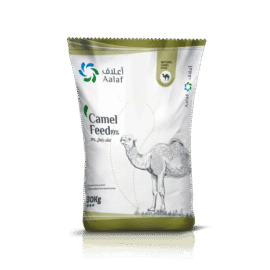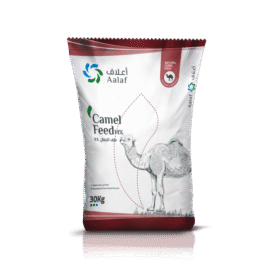
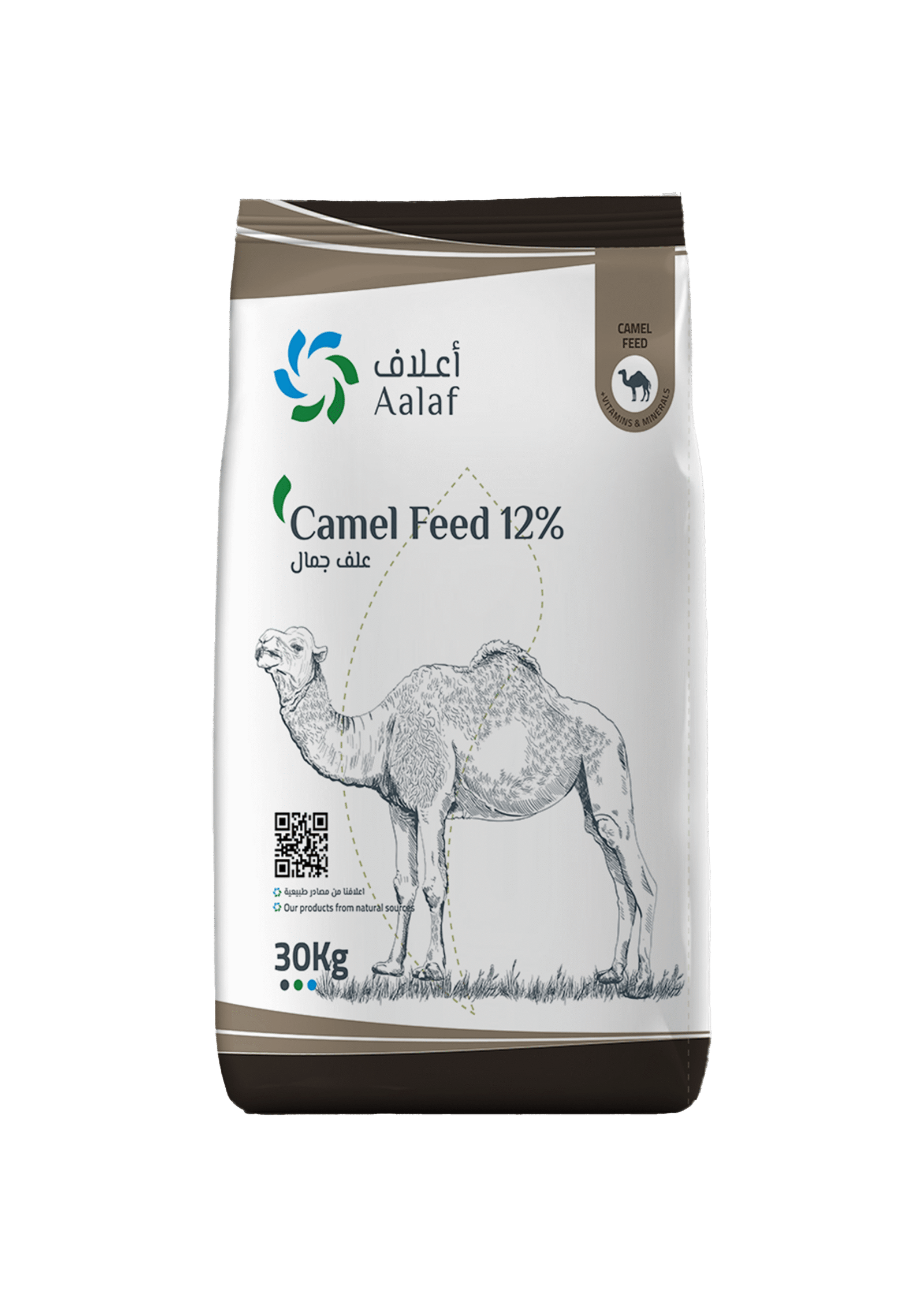
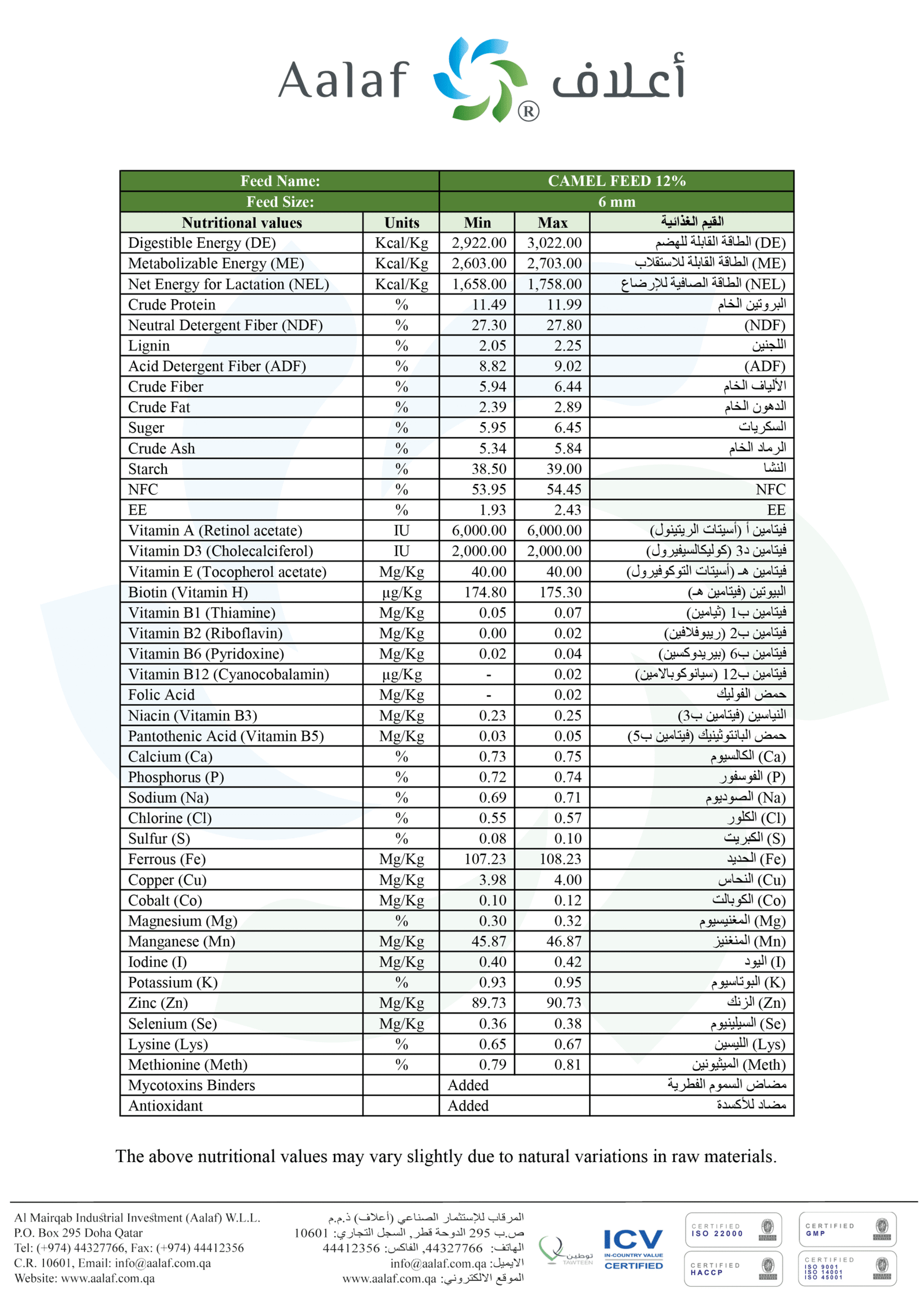
Aalaf Camel Feed 12% is a complete and balanced feed designed for camels during maintenance and low to moderate activity periods. It supports stable body condition, digestive health, and daily energy needs. With 12% protein, this feed provides essential nutrients required for routine feeding and overall wellbeing.
Balanced Nutrition for Camels
This feed provides consistent nutrition in every bite. It helps maintain healthy body condition and supports normal metabolism without excessive energy intake. The balanced formulation is suitable for daily use and helps camels remain healthy and active.
Added Vitamins for Better Health
Aalaf Camel Feed 12% is fortified with essential vitamins that support daily health:
Vitamin A – Supports vision and immune function
Vitamin D₃ – Supports bone strength and mineral balance
Vitamin E – Supports immunity and overall health
B Vitamins – Support energy use and appetite
How to Feed
Aalaf Camel Feed 12% should be fed daily as part of the regular feeding program.
It should be provided alongside good-quality roughage or forage.
Average Daily Feed Intake
8–12 kg per camel per day
This amount may change depending on the factors below.
Factors That Affect Feed Intake
Age
Body Weight
Activity Level
Weather and Temperature
Feeding Tips
Always provide clean, fresh water
Introduce feed gradually when changing diets
Keep feeding areas clean and dry
Monitor body condition regularly
Important Notes
This is a complete feed
No extra supplements are needed unless advised by a specialist
Do not overfeed
Adjust quantities based on condition and activity
Storage Instructions
Store in a cool and dry place
Keep away from moisture, heat, and sunlight
Protect from pests
Close the bag well after opening
Suitable For
Adult camels
Camels during maintenance and low activity periods
Commercial farms and private owners
Quality and Certification Standards
Aalaf Camel Feed 12% is produced in facilities that follow Good Manufacturing Practices (GMP) and are certified to ISO 22000 Food Safety Management Systems. Production also follows HACCP principles to control food safety risks. These standards ensure safe production, consistent quality, and reliable nutrition in every batch.